Common Causes of Windshield Damage
Windshield Damage Explained: Causes Every Driver Should Know
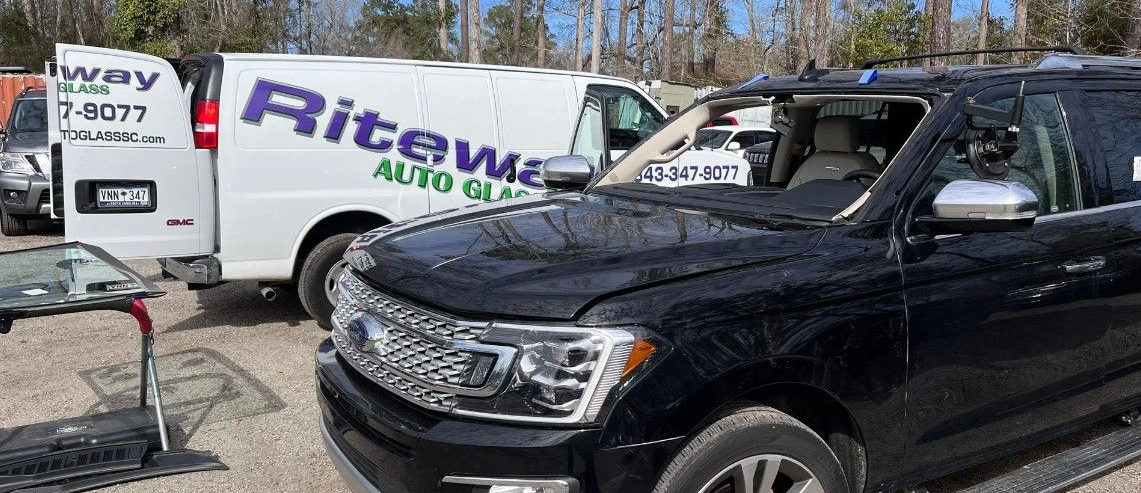
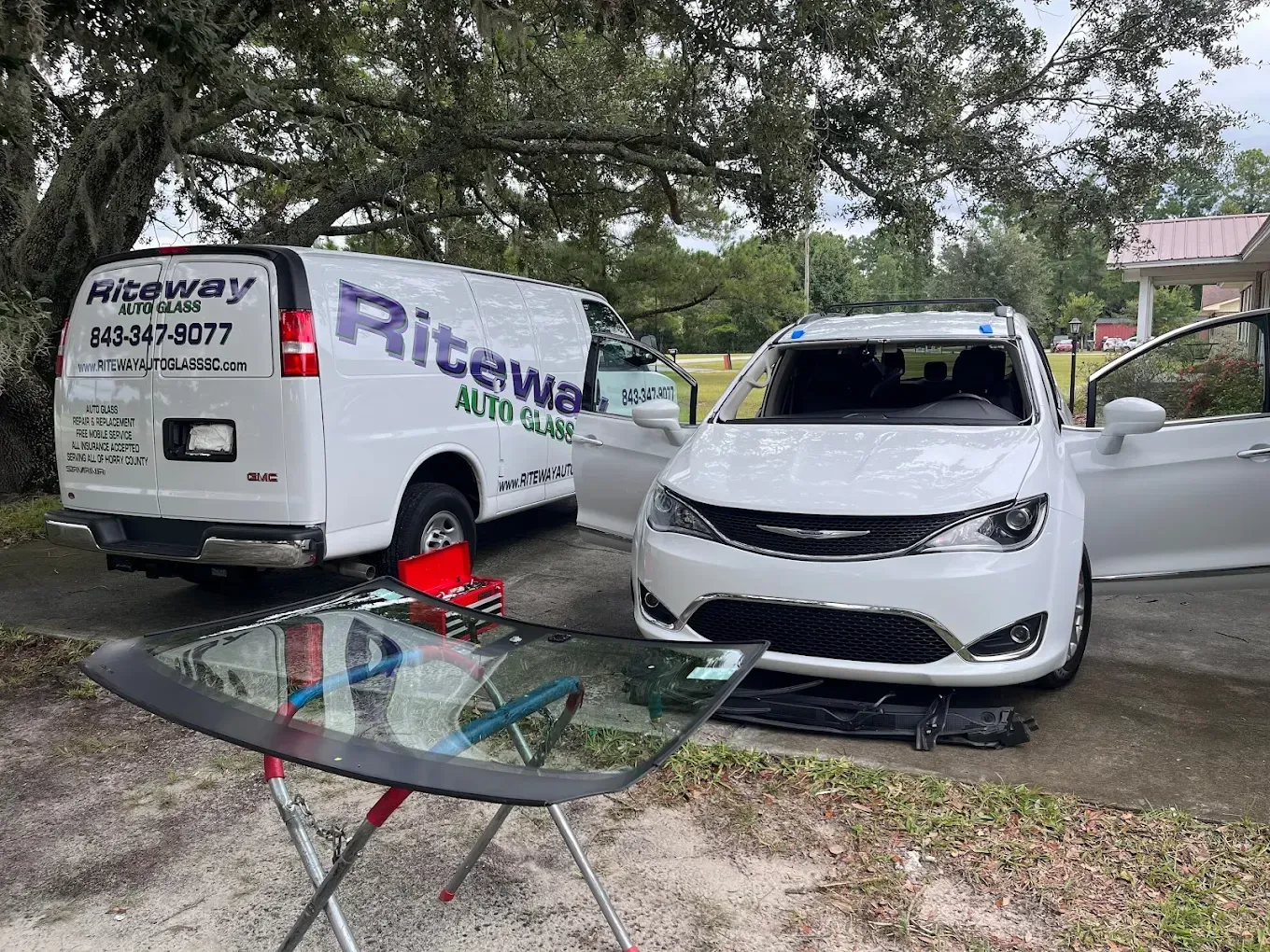
Windshield damage affects safety, visibility, and vehicle integrity. Recognizing common causes helps owners address small issues quickly and seek professional service before replacements become necessary. In this blog, we’ll cover some of the most common causes of windshield damage that drivers face, when to seek a professional inspection, and the importance of timely auto glass repair.
Common Road Debris and Rock Chips
Debris kicked up by other vehicles—gravel, stones, and loose asphalt—regularly causes chips and short cracks. Higher speeds amplify impact force, and construction zones or highways increase exposure. A small chip can expand rapidly from vibration and stress, especially if located near the glass edge.
Temperature Extremes and Thermal Stress
Rapid shifts between hot and cold create thermal stress as glass and surrounding materials expand and contract at different rates. Parking in direct sunlight, blasting cold air conditioning on a hot windshield, or exposing a warm windshield to freezing conditions can worsen existing flaws or initiate new cracks.
Structural Pressure and Frame Issues
Vehicle frame damage, misalignment, or weakened mounting points alters how stress is distributed across the windshield. Even minor collisions or rusted frame components can introduce uneven pressure, leading to slow-forming cracks along edges or across the glass surface.
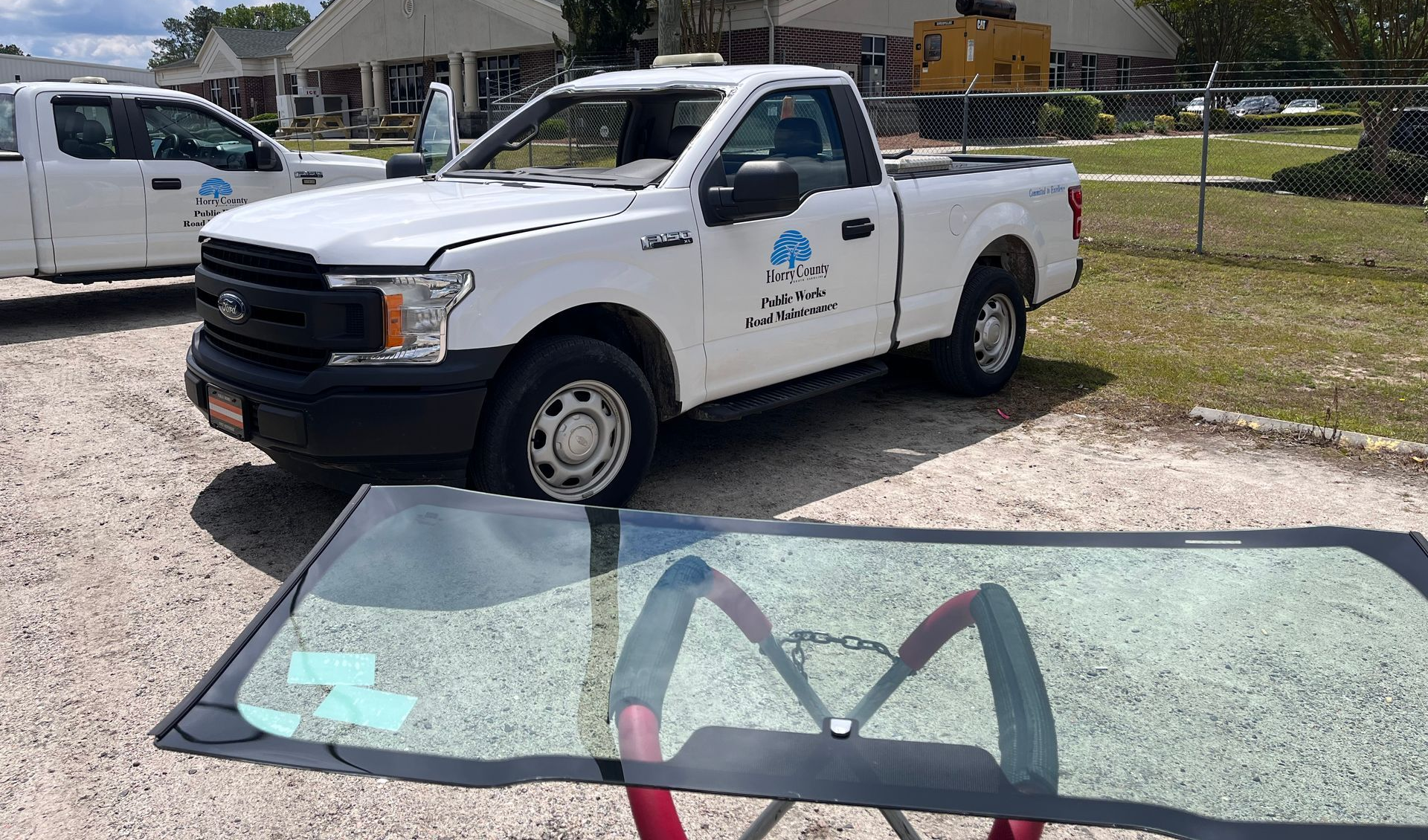
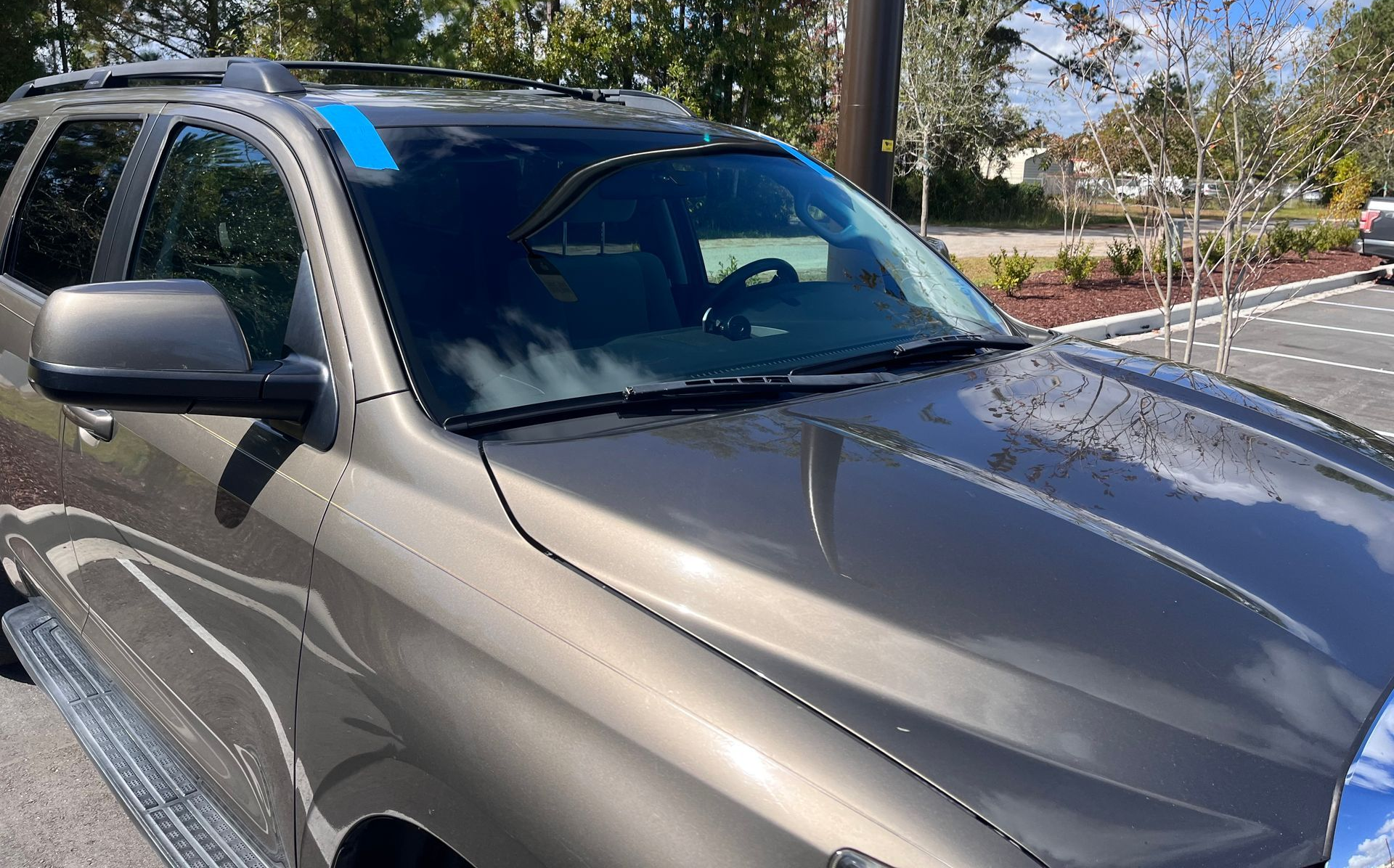
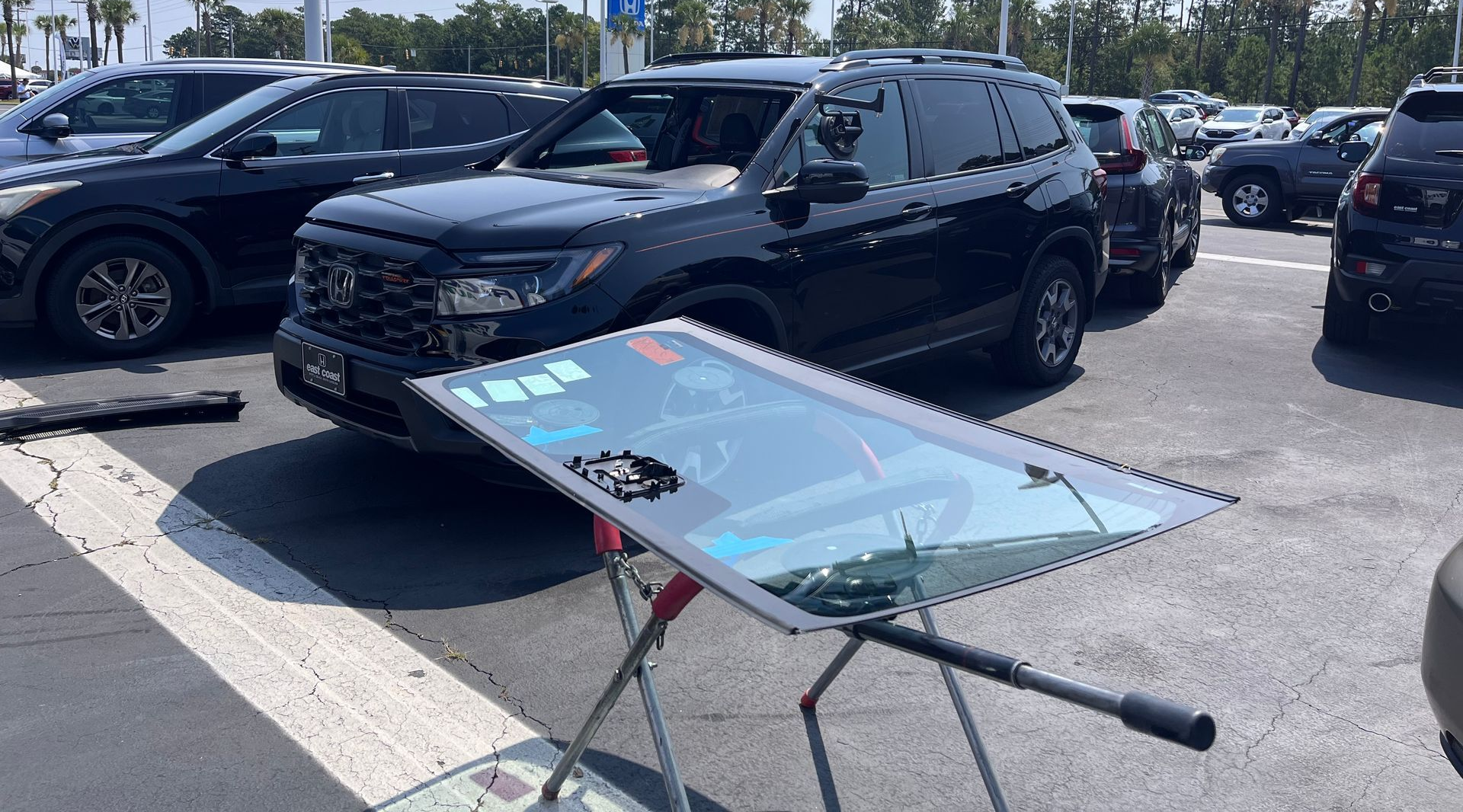
Incorrect installation or substandard repair work compromises bonding and fit. Using improper adhesives, failing to allow proper curing, or poor glass seating increases the risk of leaks, stress-related cracking, and premature failure, leading to higher overall costs.
External Factors That Can Damage Your Windshield
- Road salt and deicing chemicals accelerate corrosion of the frame and mounting hardware, indirectly stressing the glass.
- Tree sap and bird droppings can degrade protective coatings, leaving glass more vulnerable to impact.
- Wind-driven sand and grit act like fine abrasives, gradually weakening the surface.
- UV exposure breaks down sealants and adhesives over time, reducing bond strength.
- Heavy rain combined with worn wipers can obscure small chips until they worsen.
- Coastal salt spray increases the corrosion risk for mounting components, potentially affecting their integrity.
- Gravel roads and rural routes pose an elevated risk due to loose aggregate.
- Potholes and repeated shocks from rough roads transmit forces that enlarge minor defects.
- Unsecured cargo or poorly mounted roof racks can shift and strike the windshield.
- Nearby construction activity increases airborne debris and the likelihood of impact.
When to Seek a Professional Inspection
Any visible chip or crack should prompt a professional evaluation—particularly if it lies in the driver’s line of sight or near the windshield edge. Early repairs often preserve the original glass and prevent spread, while delaying service increases the likelihood of replacement. Amateur fixes can lead to improper sealing and structural problems that may cost more in the long run.
Prioritize Timely Attention
Understanding the common causes of windshield damage encourages prompt, informed responses. Fast professional assessment and repair protect safety, maintain vehicle performance, and help avoid larger expenses associated with delayed or inadequate repairs.
Is Your Windshield Damaged in Conway, SC?
If your
windshield or other auto glass is damaged in
Myrtle Beach,
Conway,
Murrells Inlet, SC, or
Shallotte, NC,
contact Riteway Auto Glass. We offer
insurance claim assistance and are family-owned and operated. If you are a resident of Conway or anywhere else in South Carolina and have comprehensive auto insurance, talk to us about getting a new windshield at no out-of-pocket cost to you.